Terp School
Humulene: The Terp That Smells Like a Hop Field
Humulene is named after hops, shares a formula with caryophyllene, and is most of the reason a beer smells like a beer. A look at the heavier end of the terpene shelf.
Learn moreMyrcene: The Terp That Shows Up Everywhere
Myrcene sits at the top of more lab reports than any other terpene, and almost nobody says its name. Here is what it is, what it smells like, and why it quietly sets the tone for everything else in the jar.
Learn moreGelato #33: How a Numbered Cut Became Larry Bird
Gelato #33 was the thirty-third selection from a Cookie Fam cross, and the number stuck. The documented lineage, how pheno numbering works, and the reported story behind the Larry Bird nickname.
Learn moreTerpinolene: The Terp Behind Every Haze
Terpinolene is woody, citrus and floral all at once, which is why it never gets summarized well. Where it occurs in nature, why haze cultivars lead with it, and why it is so hard to pair a flavor to.
Learn moreAnimal Mints: The Cookie Strain With No Paper Trail
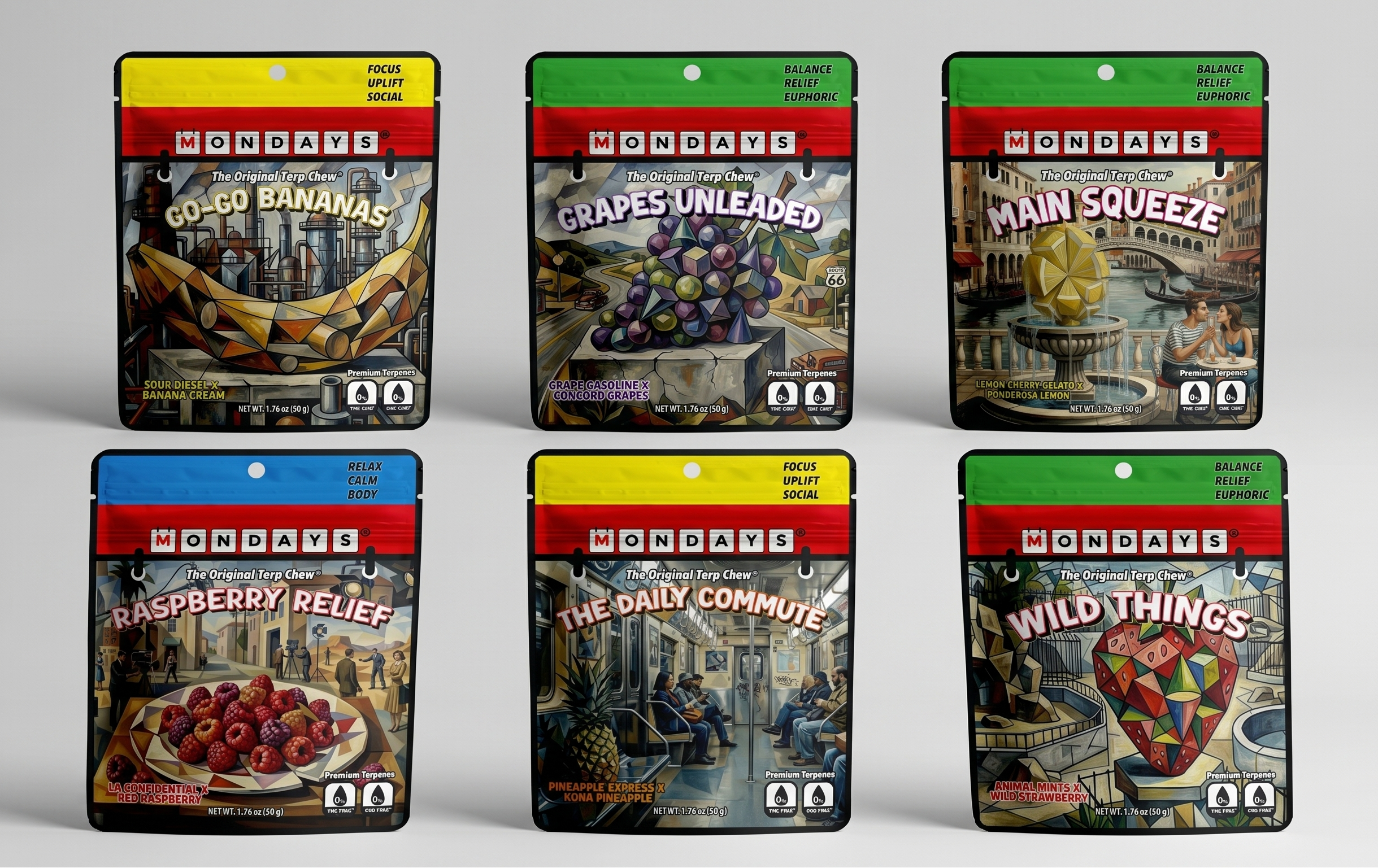
Animal Mints is credited to Seed Junky Genetics, but nobody can agree on its parents. The reported lineage, why the paperwork is missing, and what that cool doughy aroma is actually made of.
Learn morePinene: The Terp That Smells Like a Forest
Alpha-pinene and beta-pinene are the same atoms arranged two different ways, and your nose can tell. Where pinene comes from, what it does inside a strain profile, and how to find both forms on a lab report.
Learn moreTerp Journal Club #1: The Johns Hopkins Limonene Trial
A real placebo-controlled human trial on a terpene is rare. Here is what the Hopkins limonene study actually did, what it found, and what it cannot tell you.
Learn moreWill Terpenes Make You Fail a Drug Test? An Honest Answer
Drug tests look for THC metabolites. Terpenes are not THC and not cannabinoids. Here is exactly how screening works and what our lab reports show.
Learn moreMyth Check: Does a Higher Terpene Percentage Mean Better Flavor?
Terpene percentage became the new THC percentage. It measures how much is there, not how good it is, and those two come apart constantly.
Learn more